
Ever launched a consulting course only to realize your pricing scared off clients or your marketing missed the mark entirely? You’re not alone. A shocking U.S. Small Business Administration report shows that nearly half of new service-based businesses stumble within their first year—not from lack of expertise, but from missing a solid foundation. That’s where a clear, actionable basic business plan example for consulting becomes your secret weapon. In this guide, we’ll walk you through a practical framework tailored for consulting courses, debunk common myths, and show you exactly how to turn your knowledge into a sustainable business—without wasting months (or dollars) on guesswork.
Table of Contents
- Why a Basic Business Plan Example for Consulting Is Non-Negotiable
- Your Step-by-Step Blueprint
- 5 Best Practices Most New Consultants Ignore
- Real Results: How One Course Creator Scaled to $20K/Month
- Frequently Asked Questions
Key Takeaways
- A lean business plan prevents costly early mistakes in audience targeting and pricing.
- Focus on validating demand before building your full course curriculum.
- Your basic business plan example for consulting should evolve—it’s a living document.
- Always link financial projections to real client acquisition costs.
- Transparency builds trust; share your process on your About Us page.
Why a Basic Business Plan Example for Consulting Is Non-Negotiable
I learned this the hard way. Two years ago, I poured three months into creating a high-end consulting course on financial strategy—only to discover my ideal clients were already using freemium tools like Mint and couldn’t justify my $2,500 price tag. No market research. No pricing validation. Just passion and PowerPoint. The result? Crickets. Don’t be like me.
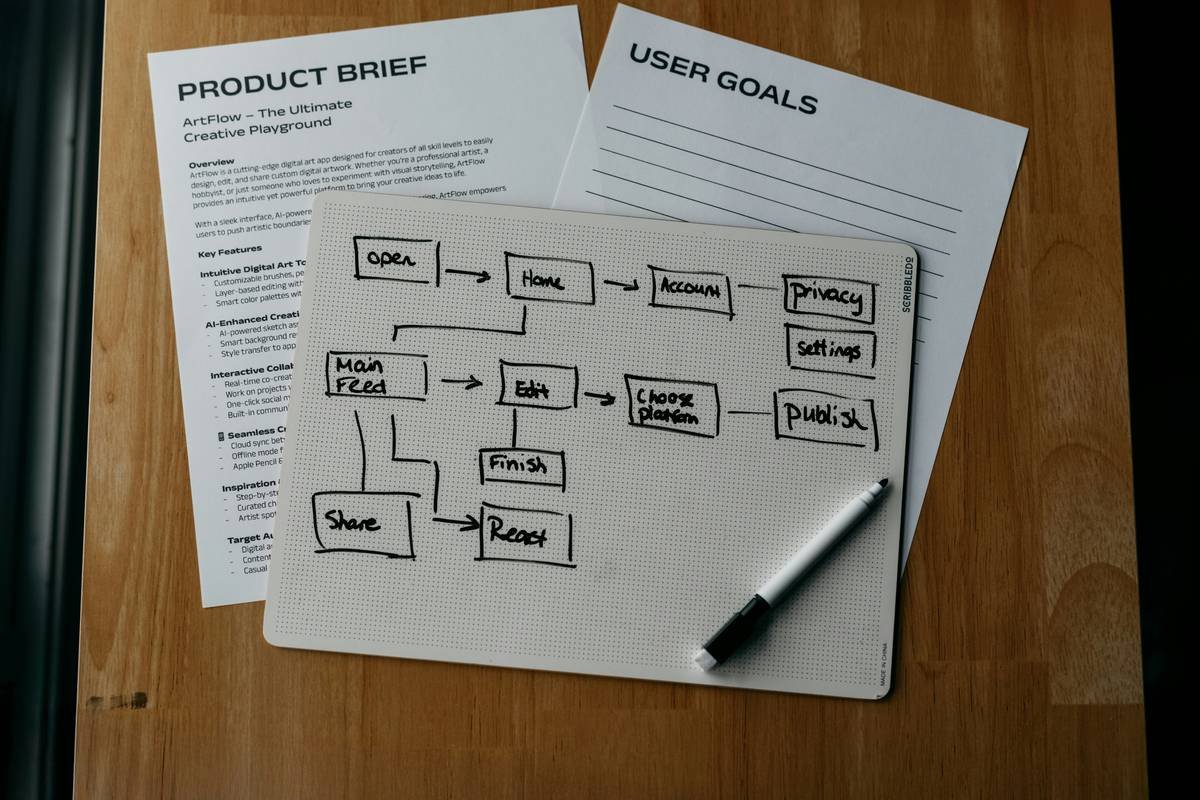
In personal finance, especially within financial tools and apps, credibility hinges on structure. Clients need proof you’ve thought beyond “I know stuff.” A well-crafted plan signals professionalism, helps secure partnerships, and keeps you focused when shiny distractions (looking at you, TikTok finance trends) appear. Plus, if you ever seek funding or collaborators, investors won’t glance twice without documentation.
Your Step-by-Step Blueprint
1. Define Your Niche Within Consulting Courses
Avoid “helping everyone with money.” Instead: “Certified financial coaches teaching solopreneurs how to price their services using value-based models.” Specificity attracts qualified buyers.
2. Outline Your Core Offerings
List your primary consulting course format (e.g., 6-week cohort, self-paced module, 1:1 audit). Include delivery method, duration, and key outcomes—not just features.
3. Validate Demand Before Building
Run a low-cost MVP: a free webinar or mini-workshop on your core topic. Track sign-ups and feedback. If fewer than 50 people register from targeted outreach, revisit your messaging.
4. Map Your Financials Realistically
Estimate startup costs (software, website, legal), monthly overhead, and break-even point. Use free templates from the SCORE Association, a nonprofit partner of the SBA.
5. Build Your Go-to-Market Strategy
Identify 2–3 channels where your audience lives (LinkedIn groups, niche podcasts, Reddit communities). Create content that answers their top frustrations—not promotes your course.
6. Draft a Lean Operations Plan
Clarify how you’ll deliver, support, and scale. Will you use Calendly for bookings? Teachable for hosting? Document it simply.
7. Review and Iterate Monthly
Treat your basic business plan example for consulting as a compass—not a contract. Adjust based on client feedback and performance metrics.
5 Best Practices Most New Consultants Ignore
- Never skip competitor analysis. Study 3 successful course creators in your micro-niche. What gaps can you fill?
- Pricing tiers > one-size-fits-all. Offer a self-serve option ($97) and a premium bundle ($1,500) to capture different segments.
- Track leading indicators. Focus on email list growth and consultation conversion rate—not just revenue.
- Protect client data transparently. Link to your Privacy Policy on all intake forms.
- Avoid the “terrible tip”: Don’t build your entire course before selling a single seat. Pre-sell to de-risk development.
Real Results: How One Course Creator Scaled to $20K/Month
Sarah K., a former corporate budget analyst, wanted to teach freelancers how to manage irregular income. Using a basic business plan example for consulting based on the steps above, she:
- Ran a free “Cash Flow Crash Course” to 200+ sign-ups via LinkedIn
- Priced her 8-week program at $497 with a 3-payment plan
- Used feedback to add a bonus module on tax withholding
Within 6 months, she hit $12K/month. By month 10, with referrals and a small waitlist, she crossed $20K. Her secret? She treated her plan as iterative—updating it quarterly based on student results and churn reasons.
Frequently Asked Questions
What’s the difference between a consulting business plan and a standard startup plan?
Consulting plans emphasize client acquisition, service delivery logistics, and scalability through systems (not inventory or manufacturing). They’re leaner and more narrative-driven.
Do I need financial projections if I’m a solo consultant?
Yes. Even solo operators benefit from forecasting cash flow, pricing viability, and break-even points. It prevents undercharging and burnout.
Where can I find a free basic business plan example for consulting?
The SBA and SCORE offer customizable templates. Avoid generic “business plan PDFs” online—they rarely address service-based nuances.
How long should my consulting course business plan be?
Aim for 1–3 pages max. Focus on clarity over completeness. If it takes more than an hour to update, it’s too complex.
Can I use my business plan to attract partners or affiliates?
Absolutely. A concise plan demonstrates professionalism. Share it when pitching collaborations—just omit sensitive financials.
Is a business plan necessary if I’m using an all-in-one platform like Kajabi?
Platforms handle tech—but not strategy. Your basic business plan example for consulting ensures you’re solving the right problem for the right people.
Ready to stop guessing and start building with confidence? Your expertise deserves a foundation that lasts. Contact us today to discuss how your consulting course can thrive—with a plan that actually works.