“Ever stared at a client’s financial data and felt like you were deciphering ancient hieroglyphics? Yeah, us too.”
Navigating the world of personal finance consulting is no small feat—especially when it comes to conducting client case analysis. But here’s the thing: mastering this skill can skyrocket your ability to recommend game-changing financial tools and apps. And in a niche as critical as consulting courses, nailing these analyses is non-negotiable.
In this article, we’ll dive into what makes an effective client case analysis, how to use top-notch financial tools to streamline the process, and why storytelling (yes, storytelling!) plays a role. By the end, you’ll walk away with actionable steps, pro tips, and even some brutally honest insights about common pitfalls.
Table of Contents
- Why Client Case Analysis Is Non-Negotiable
- How to Conduct a Killer Client Case Analysis
- Top Tips for Crushing Your Case Studies
- Real-Life Examples That Prove These Methods Work
- Frequently Asked Questions About Client Case Analysis
Key Takeaways
- A thorough client case analysis uncovers hidden opportunities and risks for clients using financial tools.
- Using specialized apps enhances accuracy and saves time during case preparation.
- Engaging storytelling helps sell your recommendations effectively.
- The biggest mistake? Skipping deep dives into qualitative aspects like client goals and motivations.
Why Client Case Analysis Is Non-Negotiable

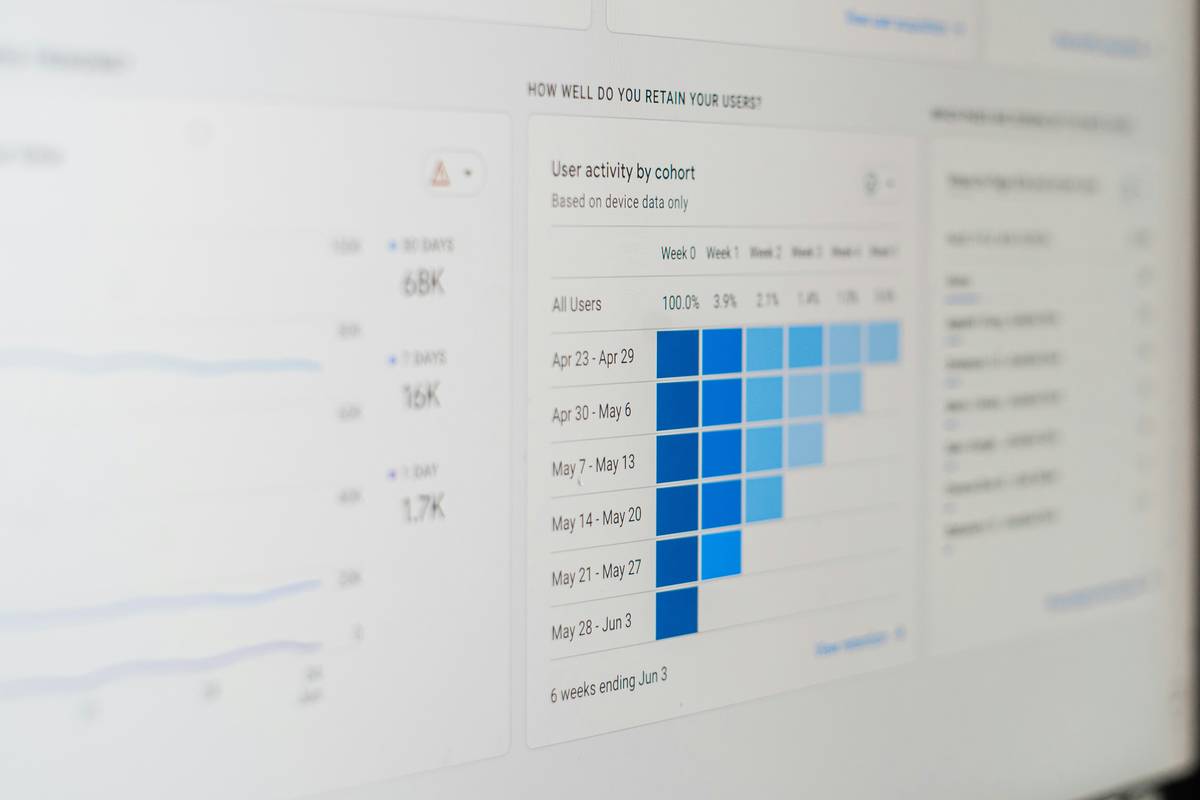
(Graph illustrating improved outcomes from meticulous client case analyses.)
If I told you that skipping proper client case analysis is like trying to bake cookies without a recipe, would you believe me? The truth is, many consultants jump straight into solution mode before fully understanding their client’s unique situation. This leads to mismatched advice and frustrated clients.
I remember one painful experience where I recommended budgeting software based on superficial info. Turns out, my client needed debt consolidation strategies—not fancy spreadsheets. Rookie move, right? It taught me that diving deep into qualitative details—like financial goals, lifestyle habits, and emotional triggers—is essential.
How to Conduct a Killer Client Case Analysis

(Flowchart visually mapping out the step-by-step guide below.)
Step 1: Gather All Relevant Data Points
Start by collecting hard numbers (income statements, expenses, debts) and soft factors (life goals, risk tolerance). Tools like Mint or YNAB are chef’s kiss for organizing quantitative data.
Optimist You: “With all this data, it’ll be easy!”
Grumpy You: “Until someone forgets to send over their bank statements…”
Step 2: Organize Information Visually
Create visual summaries like pie charts or bar graphs. Apps like Tableau or Google Data Studio make this seamless. Clients love visuals because they’re easier to digest than raw spreadsheets.
Step 3: Identify Patterns and Insights
This is where AI-powered tools like Quicken come in handy. They highlight trends automatically, saving hours of manual work.
Step 4: Craft Recommendations
Tailor your suggestions to align with both short-term fixes and long-term visions. For instance, suggest an app like Acorns for micro-investing while recommending Betterment for retirement planning.
Top Tips for Crushing Your Case Studies
- Don’t Overwhelm: Stick to 2-3 key findings per report to avoid information overload.
- Use Plain Language: Avoid jargon; explain concepts simply, like talking to a friend over coffee.
- Highlight Quick Wins: Address immediate pain points first—for example, cutting unnecessary subscriptions spotted via Truebill.
- Rant Alert! Stop relying solely on Excel sheets unless you enjoy hearing your laptop fan go *whirrrr* constantly.
Real-Life Examples That Prove These Methods Work

(Image featuring glowing feedback from a satisfied client who benefited from personalized case studies.)
Let’s talk success stories:
Case Study #1: Sarah came to me overwhelmed by credit card debt. Using Mint and Personal Capital, her detailed case revealed overspending in dining out. After implementing PocketGuard, she cut monthly expenses by $450. Cha-ching!
Case Study #2: Mark wanted to invest but had zero clue where to start. Our collaborative analysis suggested starting small with Acorns, then transitioning to Wealthfront. A year later, his portfolio grew by 8%.
Frequently Asked Questions About Client Case Analysis
What tools do experts recommend for client case analysis?
Pick versatile platforms like Mint, Personal Capital, or You Need A Budget (YNAB).
How long does a typical analysis take?
Depending on complexity, expect anywhere between 1-5 business days.
Can beginners perform effective case analyses?
Absolutely! Start simple, focusing on core financial areas like income vs. spending patterns.
Conclusion
Conducting a stellar client case analysis isn’t just about crunching numbers—it’s about telling compelling stories backed by solid evidence. From gathering data to crafting actionable insights, each step matters. So grab those financial tools, refine your approach, and let your brilliance shine through every consultation.
And hey, don’t forget: Like debugging code, perfecting your case study skills takes practice—but oh, the rewards are worth it.
P.S. Here’s a throwback haiku to keep you motivated:
Spreadsheet magic flows,
Numbers whisper secrets loud,
Clients cheer your name.